The Next Steps After a Successful Purchase

Once a transaction closes, new homebuyers are eager to get to the celebrating. Go ahead and celebrate, but don’t get ahead of yourself. While the real estate agent’s job is done, the homebuyer’s isn’t. Owning a new home also means many of your financial specifics have just changed. Don’t fall behind on your paperwork and payments because of out-of-date information.

Make sure your mortgage payments are properly set up. Verify the date of your first payment and get it in before it’s late. Consider setting up automatic payments to ensure that they’re on time. Your property tax amount also may have changed, and you’ll need to update your homeowner’s insurance.

There are also a couple things that may not need your immediate attention, but that you should be aware of. Loans are one thing that banks and other lenders often sell to each other. It’s entirely possible that who you owe money to will change, and this is especially important to keep track of if you are sending physical checks. The other thing to look out for is scams. They’re going to increase in frequency immediately after a sale, as scammers often try to pose as insurance companies selling home insurance or mortgage insurance.

Photo by Eric Rothermel on Unsplash

How to Facilitate High-End Home Sales

Home prices are high, which means fewer prospective buyers are able to afford your home. But the buyers don’t necessarily realize that, without a solid grasp on their financing options. That’s certainly not your fault, but there are things you can do to make sure you are avoiding dealing with people who don’t have a chance. Specifically, take hints from the luxury market. Your home may not have been in the luxury market a few years ago, but it could be now. Even if it isn’t, some of these tips may still be useful for you.

Real estate agents can do a lot of the work for you, if you know what you’re looking for. A good real estate agent will encourage any buyer that they represent to get a pre-approval letter from a lender, regardless of their budget. If they don’t have one, you’re probably better off not dealing with them. The type of open house you have is a big factor. While traditional open houses give you the greatest number of options as far as potential buyers, most of them won’t work out or are just looking and aren’t even interested. Worse, they can open up your doors to potential thieves, who often target higher-end homes. Consider a broker’s open instead, which would be attended only by agents who already have a buyer who is more likely to be seriously invested in buying a home. That will also let you know who the agent is that’s working for them, a potentially important piece of information. If the buyer’s agent is a specialty luxury agent, they will have already vetted their client, since they have as little interest in you do in working with a buyer who can’t afford a high-priced home.

Photo by Anastase Maragos on Unsplash

Lower Stress of Selling Your Home With These Tips

Major life decisions are always stressful, and selling your home is certainly no exception. But many sellers stress more than they need to because they haven’t properly prepared for the sale. While a good agent will be there to advise you, most decisions are ultimately yours to make, so you need to do your own homework as well.

Speaking of good agents, that’s the first thing you need to make sure of. Research agents who work in the area and discuss your goals with them. All agents have their own strengths and weaknesses, even if they don’t specialize, which many of them do. The best performing agent may not be the right agent for your particular needs. Ensure your agent knows whether you’re looking for top dollar or just need to sell fast, because that’s going to affect the listing price and timeline.

Your agent will hopefully provide you with an in-depth analysis of comparable properties. Even before you receive it, you should have a decent idea of your home’s value. If it’s drastically different from what your agent thinks, discuss that with the agent and try to reach an understanding. You could even find that you don’t actually want to sell because you’ll be making much less than you expected. Or maybe there are certain repairs that you didn’t feel were urgent, but may have a significant effect on your home’s value.

Once you start to receive offers, be smart and make appropriate adjustments. Read through the offers carefully, and look for a pre-approval letter if the prospective buyer requires a loan. A first offer doesn’t have to be final — don’t reject every offer with minor issues, but also don’t acquiesce to every buyer demand. Some deals simply won’t work out at all, but many can be negotiated through counteroffers.

Photo by Dan Dimmock on Unsplash

Landscaping Key Factor in Home Values

It’s common knowledge that first impressions are important, and that maintaining strong curb appeal can boost interest. But curb appeal is important for your bottom line even if you aren’t struggling to get interested parties. A well maintained lawn or garden, just one tree, or even patio decorations can vastly improve your home’s value, perhaps by 30% or more in some areas.

Those buyers weren’t surveyed directly, according to observations by real estate agents, the types of landscaping buyers are most interested in are grass, trees, and flowers. 64% of agents thought grass was most important, 59% say trees, and 52% flowers. Hardscaping — outdoor design that doesn’t involve living things — is also important. 58% of agents stress the importance of well-maintained decks. 54% focus on the driveway, and 47% say an outdoor kitchen is valuable.

Photo by Marta Bibi on Unsplash

More: https://www.trees.com/poor-landscaping-can-decrease-property-value-by-as-much-as-30

Four Inexpensive Storage Strategies

The best way to save money on storage is by utilizing space as efficiently as possible. In some cases, there may be small storage spaces already in your home that aren’t explicitly designed for that purpose, but work just as well. Alternatively, it’s possible that storage areas that are built for that purpose could benefit from a more efficient structure at minimal additional cost.

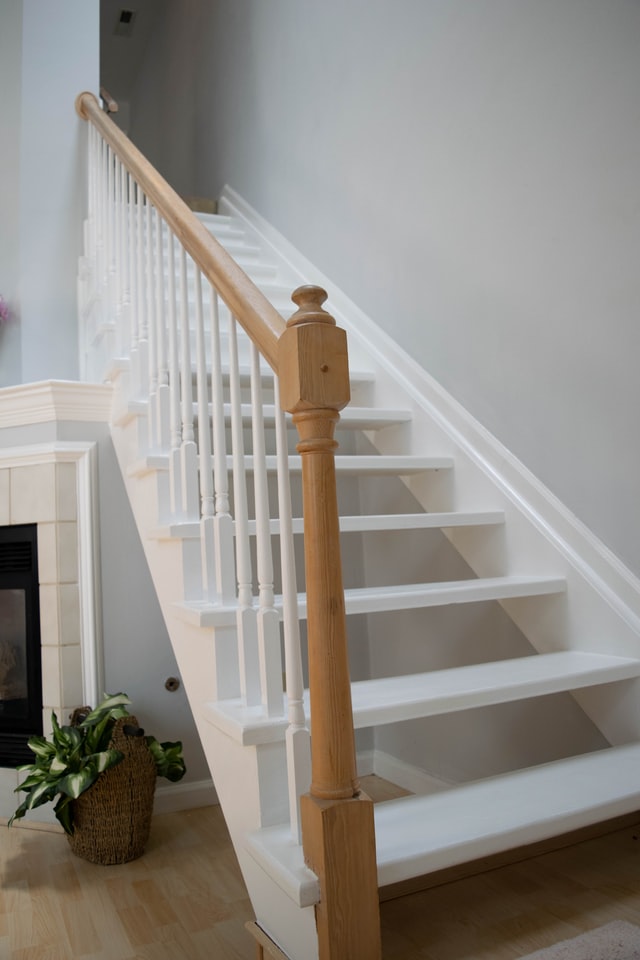
Every house has a bedroom, or at least a space where you put your bed. In your bed is on a frame, there’s going to be a bit of space under it. That space isn’t an inescapable void where errant socks and jewelry are lost forever. It’s a spot to put a few small boxes. If your home has multiple stories, there’s usually some space underneath the stairs. It may even already look like a storage area, but if it doesn’t, feel free to add a shelf or cabinet.

Your existing cabinets can also be made to use space better. Tilting drawers have two functions: they can conform to a space’s shape while manifesting a slightly different shape while in use, and they can be detached from the cabinet to utilize more of the open space. This method is often used for storing trash bins or creating hanging racks that sit horizontally when not needed. Another way to maximize your space’s shape is to use sliding drawers in narrow spaces where one couldn’t put a cabinet, or even inside a cabinet for extra surface area.

Photo by Micah Carlson on Unsplash

There’s No Need to Dread Unpacking

For some people, the worst part about moving is unpacking everything once you’ve moved in. Often it’s not actually everything; some boxes frequently end up never reopened and simply sitting in storage. But it doesn’t have to be that way. There are smart ways to unpack that can help you keep organized and reduce the time and stress.

Come up with a good labelling scheme for your boxes. Don’t just throw stuff in a box and figure out what’s in it later. The best way to do this is to organize by room — know ahead of time where you’re planning to put your items, and put the boxes in their appropriate rooms before even opening any of them. The first boxes you should open are the ones with your storage units and organizers, if your items weren’t already packed inside of them. Now, remember those boxes you’re just planning to shove into storage unopened? Maybe those are seasonal decorations, in which case that’s not an issue. But maybe you don’t actually need those items. You may have brought them with you, but that doesn’t mean you’re forced to keep them. Consider donating unneeded items to save storage space and reduce clutter.

Photo by Sigmund on Unsplash

DIY or Call a Professional?

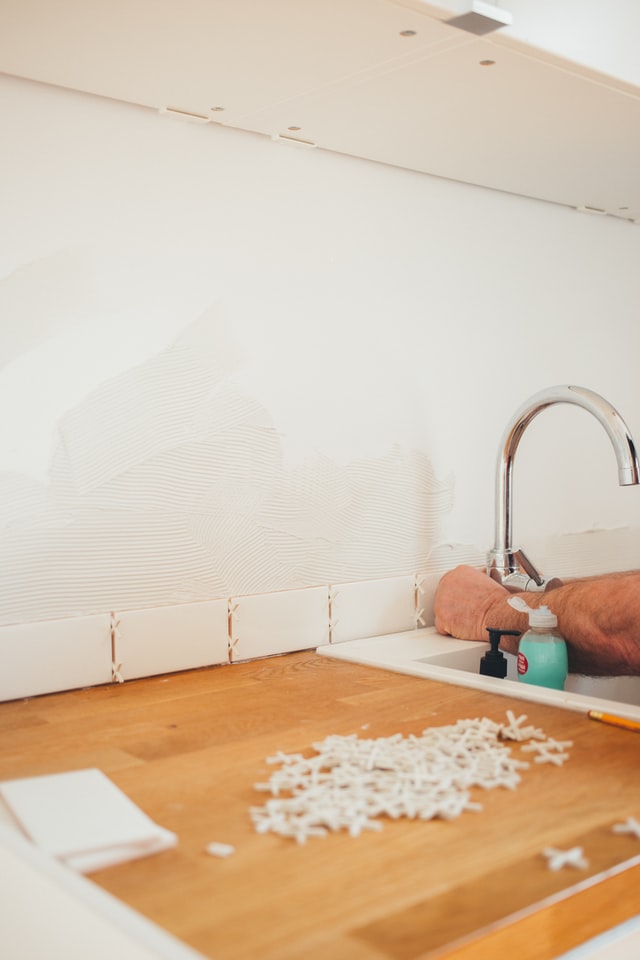
Some people are rather handy around the house and like to do repair or patch jobs themselves. Or maybe you’d prefer not to have to do it yourself, but money is tight. Whatever your reasons, there are some things you really should call a professional for, if you don’t have experience in that field yourself. If you can’t decide whether you want to try it yourself or not, the bottom like is that structural work and potentially dangerous work should be done by a trained professional, but cosmetic work or simple repairs you can do yourself.

For most people, applying a fresh coat of paint to interior walls or cabinets is not a difficult task, and you may even have leftover paint in storage from when it was originally painted. Exterior walls, however, generally require specialized tools and can have safety concerns. Some plumbing jobs can be done yourself, such as small parts replacement, but leave the pipework and repairing major leaks to an actual plumber. Electrical systems and carpentry are potentially dangerous and should always be handled by a professional.

Photo by Louis Hansel on Unsplash

Smart Fridge Features You May Like

Smart home technology has been around for a bit by now, but smart refrigerators are still a relatively recent addition. They can also be rather pricy. These two factors combined mean most people don’t have one. You may not actually know what features they have. Here are a few things it can do for you.

Smart fridges can connect to phone and television service. They have a built-in display that can be used to watch TV or videos, as well as audio services to play music or give reminders, such as alarms or notifications that the fridge is low on ice. Handy tools include a digital notebook, recipe lookup, and shopping checklists. There’s plenty that a smart fridge can do for you without you even opening the door.

Photo by Sidekix Media on Unsplash

Mistakes to Avoid Before a Home Purchase

There are a plethora of articles about what to do before buying a home, especially for first-time homebuyers. But has anyone ever told you what you shouldn’t do? Of course, some of these are just a different way of writing the same things you’ve heard before. But others are advice you may not have been provided.

The biggest mistake to avoid is financing a big-cost item, such as a car, immediately before looking to get a home loan. Lenders will see that, and they’ll know you’ve just taken out a loan and will have debts to pay. That doesn’t look good for your credit score or your debt-to-income ratio. Similarly, avoid maxing out your credit card debt, even if it’s on many smaller items. It doesn’t even matter if your limit is low; what lenders look at is the percentage of your limit that is used. Another thing that may make lenders look more closely is a change of jobs. If you’ve simply moved from one company to another in the same occupation, you’re fine. But if you switched career paths or lost your job entirely, that looks like instability. All this advice continues to be relevant throughout the purchasing process — don’t make any big financial decisions until the transaction has closed.

Some other mistakes relate more specifically to real estate and not simple economic decisions. Many buyers neglect to get a preapproval before they start looking, thinking it’s a long process that they don’t want to get involved in before they find something. Yes, it does take time, but if you wait, that house you found may not be available anymore by the time the process is finished. Not only is this something sellers look for, preapproval will help you figure out what you can afford. It makes the search a lot easier if done ahead of time. Don’t try to expedite the process by just going to the first lender you find, though. The rates quoted in the news are always averages. Not every lender is going to have the same rates, and the rate isn’t the same for every situation. And contrary to popular belief, your personal bank doesn’t owe you the best rates just for being their customer. Once you know what you can afford, figure out how much your down payment is going to be. Don’t make the mistake of thinking it has to be 20% or more. That is frequently a good idea, since it avoids private mortgage insurance, but it’s still possible that paying the PMI and putting less down is a better financial decision for you. Plus, it’s almost never a good idea to put off buying solely because you can’t afford to put down 20%.

Photo by Larkin Hammond on Unsplash

More: https://themortgagereports.com/84659/what-not-to-do-before-buying-a-house

Not All Basements Are Created Equal

A significant number of homes don’t have a basement at all, but there are more distinctions than simply whether or not there is one. There are actually three different methods of basement construction, and which method is used could affect durability and maintenance requirements. The three types of construction are concrete, block masonry, and precast panels.

Concrete basements are the most common and certainly have some advantages over the other types, but also have some disadvantages. Concrete basements are the most resilient, so are very unlikely to cave in. They are also fireproof. Though they are water resistant, they’re not entirely waterproof so it’s important to maintain the humidity levels and check for mold or mildew. A concrete basement will improve a home’s property value.

The least expensive type of construction is block masonry, composed of connected cinder blocks or masonry units. Unfortunately, that also means it has the fewest advantages. One thing it definitely has going for it is that it’s by far the most waterproof construction. Block masonry is still highly resilient, but for full durability it needs to be reinforced with steel rebar.

Precast panel basements, actually made in another location before being transported to the construction site, share some qualities of both the other types. Like block masonry, precast panels are waterproof, but like concrete basements, they require maintenance to stay that way. Precast panel basements can be susceptible to pest infestations, but this can be prevented with boric acid treatment. Fortunately, the individual panels don’t have any issues with resilience; it’s only the joints that need to be maintained.

Photo by Vlad B on Unsplash

Don’t Skip Out on Title Insurance

Title insurance is one of those additional costs of purchasing a home that, unlike many other fees, is actually optional. Most people don’t want to deal with additional fees and ignore title insurance. That’s not necessarily a good idea. If you can afford to pay the fee, it’s a good investment.

There aren’t very many options available for homebuyer protection, and title insurance is one of the best. Title insurers have the best access to records and most experience detecting problems of any form of homeowner protection. Fraud is on the rise in the electronic age, and title insurance protects the homeowner from both fraudulent claims and losses. You may also not realize that title insurance, unlike most forms of insurance, is just a one-time charge. You won’t be saddled with monthly or annual payments.

Photo by Marija Zaric on Unsplash

Protect Confidential Info With a Credit Freeze

Credit information is valuable to hackers looking to open accounts in someone else’s name. If you don’t need to access your credit report yourself in the near future, one action you can take to avoid this is a credit freeze. Not everyone is aware that any consumer is allowed to freeze their own credit reports, and potentially their dependents’ credit reports. And it’s now easier than ever, since it recently became free to do, as opposed to incurring a fee.

The process doesn’t take long to do, and is easy to reverse if needed. Any of the major credit bureaus — Equifax, Experian, and Trans Union — must freeze your credit if requested within one business day. Unfreezing your credit if necessary only takes up to an hour, but you’ll need to contact all three major credit bureaus rather than just one.

Photo by Aidan Bartos on Unsplash

Routine & Seasonal Maintenance Guide

When budgeting monthly costs, homeowners generally take into account mortgages, real estate taxes, and homeowner’s insurance. Unfortunately, they all too often forget about maintenance and repair costs. It’s a good idea to set aside 1-3% of the home’s value for repairs and maintenance. You may not always know when you need repairs, but you do need to be prepared to pay for them.

Regular maintenance can also help lower the costs of repairs. Major repairs are less likely to be necessary if you can catch problems before they get too big, and you’ll probably end up paying more for even a single major repair than for regular maintenance and minor repairs across the year. A few things you should do every month are check HVAC filters, look for water leaks, check the vent hood in your kitchen, ensure carbon monoxide and smoke detectors are operational, and look for cracks in the foundation. All of these can be done yourself, and if there’s no issue, you don’t need to pay anything.

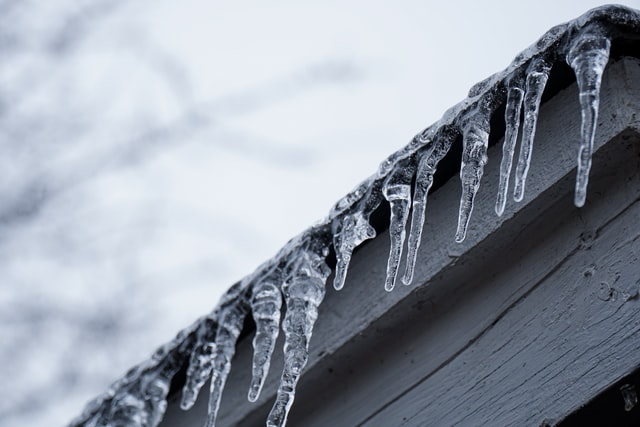
Here in California, we don’t have much in the way of seasons, but there are still certainly cold or rainy areas of the state. If your area freezes in the winter, look for ice dams on the roof, inspect for gaps under doors and windows, and consider protecting your AC unit from snow and ice if necessary. Your windows and doors should also be inspected during the spring, if your area gets a lot of rain. You should also get your HVAC and roof professionally inspected. Take care of any clogged gutters as well.

Photo by Izzy Park on Unsplash

The Hidden Costs of Tiny Homes

On average, the smaller a home, the less expensive it will be. So you’d think that buying a tiny home — one under 600 square feet — is going to save you a lot of money. Well, that’s only true if you’re looking at just the total purchase price, which is $52,000 on average. That’s 87% less than the average price of a typical home. However, most tiny homes are actually significantly smaller than 600 square feet, averaging only 225 square feet. This makes them about 62% more expensive per square foot than your typical home.

Of course, price per square foot only matters if you actually need the square footage. But at only 225 square feet, you probably do. For comparison, the typical bedroom is about 132 square feet — more than half the size of an average tiny home. Even the smallest of kitchens is usually just over 100 square feet. That leaves absolutely no room for storage, and you’re going to need to do your laundry at a laundromat. Many tiny homes are also completely off-grid and may even lack a sewage system and utilities. Not only is this highly inconvenient, the expenses can rack up, and they’re costs you aren’t likely to be able to easily recover by selling the home later.

Photo by Elena Mozhvilo on Unsplash

More: https://www.cnbc.com/2021/08/18/tiny-homes-can-mean-big-costs-especially-depending-on-where-you-live.html

Kid Going Away to College? Consider Buying a House

Everyone knows college is expensive. Tuition costs aren’t the only reason. Room and board can also be rather expensive. In fact, it’s quite possible that it would be more than the mortgage payment on a new house. That means it may actually be financially beneficial to just purchase a house for your college kid, instead of sending them to the dorms or campus apartments.

Of course, this depends on multiple factors. Of course you’ll need to take into account the actual cost of room and board as well as expected mortgage payment for the property, but there are other financial considerations as well. You’ll need to be able to afford a down payment, first of all. Are you able to turn it into a profit opportunity by renting out some of the rooms? If so, do you need to hire a property manager? Once your kid graduates, are you going to keep the house for them, sell it, or continue to rent it out?

There are additional considerations that aren’t necessarily even financial. How far away from your kid do you want to live? Maybe you should consider moving with them, if that’s a possibility for you. Is giving your kid the responsibility of owning a house a good learning opportunity for them, or is it just going to result in disaster? Are you sure that they will continue at this school, or is it likely they’ll either drop out or transfer? This option certainly isn’t for every family, but it’s a strategy that most families don’t consider.

Photo by LinkedIn Sales Solutions on Unsplash

More: https://www.bankrate.com/real-estate/q-and-a-jeffrey-decatur-re-max/

How to Make Your Home Feel Larger

If your home is a bit on the smaller side, it may start to feel cramped once you get all your furnishings and decorations in. You also can’t forget to leave space open for people to walk though. There are a few solutions that can help you make the most of your space without hyper-focusing on space efficiency.

The first is a huge one — decorative storage space. This serves dual purposes by getting clutter off the ground and into a more compact area, without sacrificing aesthetic. You can find both functional and appealing furniture such as ottomans or coffee tables that feature hidden drawers to store things such as the TV remote, coasters, or a few books. Speaking of books, that doesn’t have to be the sole purpose of a bookshelf; it can be used to store any manner of items.

You shouldn’t exclusively focus on ground-level decoration, though. Decorate vertically to save room for foot traffic. These can be things such as paintings, photos, or tapestries, but they can also be functional, such as wall-mounted cabinets, or bookshelves that are tall rather than wide.

Another thing you can change to make your home feel larger doesn’t actually affect your space at all: color. Lighter colors give an illusion of airiness that can make even a small space seem less cramped. Painting every room white or beige, or even light blue or yellow, may not be the best idea unless you don’t have very many rooms. But you can still achieve the same effect by using furniture or décor in lighter colors.

Photo by Annie Spratt on Unsplash

Be Aware of Renovation Financing Options

Most people want to buy a home that’s move-in ready, but if you don’t mind buying fixers, there are a couple of finance options for you. This doesn’t mean just anyone can renovate a fixer — there’s a lot that goes into it, and you need to make sure you have the know-how or the money to pay someone who does. It can be expensive, and the payout is in the return on investment. If that’s much later down the line because you also plan to live there, that’s okay if you have the money, but it’s important to keep that in mind.

If you don’t have the money, you still need at least a decent credit score. There are two kinds of mortgages designed with home renovation in mind. The 203k Mortgage, one type of FHA loan, is meant for a vast array of different construction projects. In order to secure one, though, you’ll need a credit score of at least 580. Fannie Mae has a loan type specific to renovations, called the HomeStyle Renovation Loan. The max borrow amount is 50% of the total value of the home, and it’s possible to borrow against projected equity. It requires that the renovation be completed within 12 months, and necessitates a credit score of 680 or higher.

Photo by Charles Deluvio on Unsplash

Buying New May Beat Heavy Competition

If you’re struggling in the current competitive market, you may want to consider buying a new construction home. This isn’t going to be for everyone — new constructions are often more expensive and also come with additional up front costs, since it usually requires a 3% building deposit. Not to mention if you’re not hurting for money, competitive markets are going to be less of a problem for you. Still, if you play your cards right, a new construction home could be a great deal for you without much hassle, and is a much better investment later down the line as well.

Don’t be afraid to negotiate on a new construction home. It’s true that in a competitive market, you may be inclined to bid high to get the best chance at your offer being accepted. New construction is a much smaller market, and your chances are still good even if you bid lower. Alternatively, many new construction negotiations revolve around not price adjustments, but rather the construction materials and appliances. You still want to get ahead of the competition, though; builders aren’t as willing to make drastic changes if they’ve already sold multiple similar homes in the same neighborhood with their default materials.

Photo by James Kovin on Unsplash

Keep Up To Date With Bathroom Design Trends

Everyone wants their bathroom to be a place of comfort with a calm atmosphere. If you’re planning to renovate your bathroom before selling, or just want your guests to feel at home, consider current trends in bathroom design.

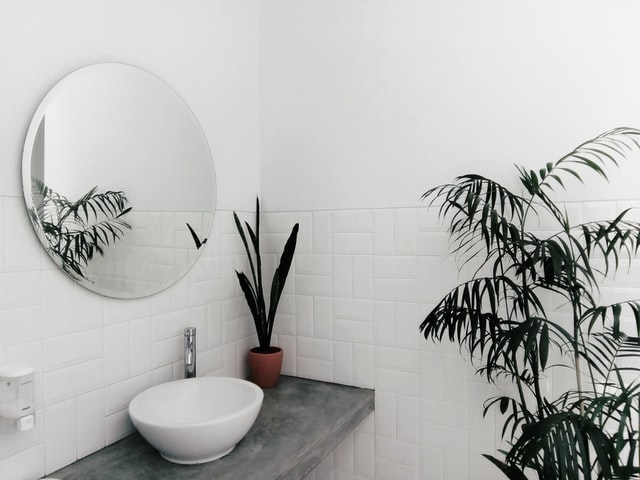
There are a few trends popping up recently. The new thing for sinks is the floating vanity. It’s not actually floating — it just may look like it is, since it’s sitting on top of a raised shelf instead of a large cabinet or a tall pillar. Thematically, nature is in. Botanical wallpaper, colorful flowers, bright leaves. And for those of you who want your bathroom to be your own private sanctum, and aren’t planning to show it to others, you can customize floor or shower tiles with your own prints.

Photo by intan Indiastuti on Unsplash

Planning to Sell? Don’t Forget About Curb Appeal

Sellers do a lot of things to get their homes ready to show. Tidying messes, repainting walls, fixing deferred maintenance, getting their homes professionally cleaned, hiring photographers or videographers, and sometimes staging their home. What many of them forget to think about is the outside of their home. This is a huge mistake, as the outside is the first part of the home a prospective buyer will see when they arrive.

The first thing you should do is clear the area of objects lying around such as tools or toys, so that you have a clear space to work with. If you have a garden, remember to tend to it by removing weeds and pruning plants, or even getting fresh new plants. Be sure to replace mulch as well. If you have a lawn or shrubs, make sure they’re trimmed. Make sure your sprinklers are working and angled properly as well. Clean out your pool if you have one. Once everything is cleaned up, make sure to sweep any clippings and debris and wash down the driveway and walkways.

Photo by Doug Vos on Unsplash